
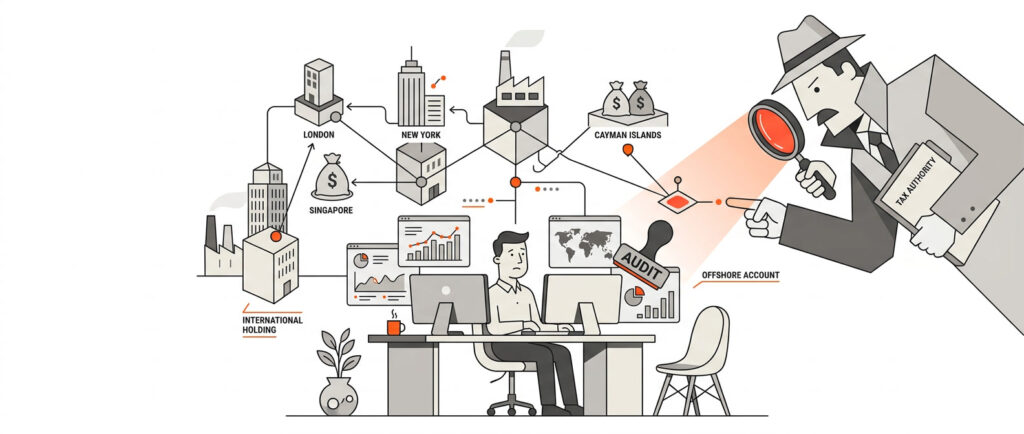
Look, tax optimisation isn’t some dark art reserved for the ultra-rich or shady offshore schemers – it’s a legit tool for freelancers, entrepreneurs, and anyone juggling international gigs. But goddamn, the myths floating around could sink a battleship, and the pitfalls? They’re sneaky bastards that turn clever plans into expensive headaches. Mainly cos law and theory rarely apply that cleanly.
I’ve waded through enough of this muck to know that even sharp operators trip up, often because they’re seduced by quick-fix hype or overlook the gritty details. No lectures here; we’re all just trying to keep more of what we earn without inviting the taxman to dinner. Let’s unpack these one by one, with some hypothetical scenarios that feel all too real (cos they happen every day).
Myth #1: Fancy Residency Tags Automatically Rewrite Your Tax Story
You’d think this is basic, but setups go pear-shaped when folks assume legal residency, e-residency, or dom/non-dom tricks flip your tax residency solo. They don’t: it’s like upgrading your phone case without changing the SIM; same old signal, same old bills.
Tax residency isn’t about labels; it’s rooted in where you actually live, work, and tie your economic knots, and ignoring that renders even the flashiest setup pointless. Imagine a remote worker grabs Estonian e-residency to “go global,” banking on it shielding income from high-tax home soil. But if they’re still anchored there in practice, with bills and routines unchanged? Tax authorities ignore the label and hit ’em full force, plus maybe a penalty for the wishful thinking.
On the flip: someone who genuinely relocates, meets the days-abroad test, and builds new ties? That setup hums without a hitch. Reality check: Tax residency hinges on facts like days spent and economic ties. Commit to the criteria or watch the myth implode. I know: moving ain’t easy, but half-measures cost more in the long run. Get it right, and you’re not just compliant; you’re actually saving.
Myth #2: POEM Doesn’t Apply to “Independent” Entities: Wrong
Countries worldwide use Place of Effective Management (POEM) to tax companies where the real control happens, even for limited liability setups or corporate entities that stand as separate beasts. It’s not just a corporate formality; if your day-to-day decisions emanate from home turf, that’s where the tax net casts, overriding any offshore address on the paperwork. Think of it as the puppet strings: if decisions pull from home base, that’s where the tax show plays.
Hypothetical: A Cyprus company looks offshore on paper, but strategy calls happen via home Zoom, emails fly from a local IP – POEM drags it back, taxes apply locally with interest. Contrast a structure with actual overseas directors, board minutes logged there, and genuine ops? POEM stays put, benefits flow without the boomerang. Keep it real: Document management locale honestly, and if offshore’s the goal, make the shift tangible.
Fake it, and you’re funding penalties; nail it, and the setup delivers what it promises. It’s adulting in tax form – no shortcuts, but the payoff’s worth the effort.
Worth mentioning, some jurisdictions recognise in full things like online meetings as happening in the company’s jurisdiction even if members are physically located abroad when connecting to Zoom or Google Meet, BUT these kind of elements are to be analysed in harmony with other laws and other jurisdictions so don’t believe easy myths on the internet or vomited by Chatgpt.
Myth #3: Centre of Vital Interests (CVI) Is Not Critical
Most spots, especially EU ones, peg tax residency to your life’s hub – kids’ school, car reg, gym pass – making even bulletproof setups moot if core stuff’s elsewhere. CVI isn’t optional fluff; it’s the gravitational center that pulls your tax obligations back, no matter how clever the structure looks on a spreadsheet. It’s the gravity pull: vital interests override paperwork every time.
Scenario: Dubai zero-tax dream, but family and social orbit in France, with holidays home and utilities in your name? CVI yanks residency back, full taxes due, and suddenly that setup’s just an expensive hobby. But fully uproot to Cyprus, enrolling everything local, from schools to subscriptions? CVI shifts, plan sticks solid. Brutal honesty: List your ties, cut what you must. Family gravity’s tough, sure, but ignoring it turns optimisation into overkill. Align it properly, and you’re not fighting the system; you’re flowing with it, smarter and lighter.
Myth #4: Double Tax Treaties Are Respected by Governments
Ok, title is an attention hook and not entirely true; but serves the purpose of sharing a critical reality of facts.
DTAs get oversold as automatic shields, but they’re labyrinths: you often pay extra upfront, then claw back via deductions or credits (sometimes just future offsets, no refund). They’re not a get-out-of-tax-free card; mismatches in timing and application can leave you out of pocket while paperwork churns. Like expecting a rebate at checkout but getting store credit months later.
Example: UK service to US client, treaty caps withholding: but US takes 30% first, UK credit later, cash tied up in bureaucracy. Done right: Factor timelines, file promptly, no shocks, and maybe even turn it into a planning edge. Dig in: Parse the treaty specifics (OECD models are a start, but devils in details), budget the lag, and prep for reclaims. Assumptions? Cash flow killer that erodes your edge. Get savvy, and treaties become allies, not just hopeful paperwork.
Countries like Italy or France? Hihi, all I’m gonna say is ‘Best of luck bro.’
Myth #5: CFC Rules Only Hit the Big Fish: Nope, Bullshit for Small Setups Too
High-tax homes (US, UK, EU) use Controlled Foreign Corporation rules to attribute low-tax foreign income back if control’s yours, no matter the scale. It’s anti-deferral muscle that pierces veils, turning that foreign entity into a taxable extension of you if thresholds like ownership or passive income kick in. Boomerang effect: Setup ignored.
Hypothetical: Cayman entity for passive gains, but US owner calls all shots –CFC pulls it home, GILTI taxes bite hard, wiping out the low-tax lure. Structured with diluted control, real substance, and active ops? Ducks the net, keeps the benefits intact.
Threshold check: Ownership tests, passive income flags, map ’em early. Plan around or pay double, simple as that. It’s the system’s way of saying “nice try,” but with forethought, you can structure around it without the sting.
Myth #6: No Big Deal If You Create a Permanent Establishment (PE) By Accident
Tiny footholds (office nook, steady local agent, even habitual visits) trigger PE, taxing profits there and gutting the setup. PE isn’t forgiving; treaties define it broadly (fixed place, dependent agents), and once activated, it allocates income locally, often with no easy escape.
Weed in the cracks: Grows fast and chokes. Imagine software sales with “brief” German reps turning habitual, contracts signed there: PE activates, local cuts eat margins, double tax looms without relief. Keep virtual, no fixed base, independent occasional contractors only? Clean escape, setup preserved. Watch: Treaty defs (OECD style), limit presence, monitor activities. Sneaky triggers? Audit magnets that turn minor ops into major bills. Stay vigilant, and PE stays a non-issue… charming how awareness flips the script.
Worth mentioning cos sometimes also applies to freelancers and small entrepreneurs: there are two main double treaties base models (OECD and UN), they tend to interpret PE very differently. The specific DTA might therefore prioritise a country over the other one: worth studying.
Myth #7: Substance in Low-Tax Havens Is Optional Fluff
Low-tax spots demand real economic heft – staff, decisions, ops… – or anti-avoidance (ATAD, OECD) denies perks. Trickier: Common law vs civil code views clash; UK residency with Italian entity? Messy defenses where one’s precedent-heavy approach compromises the statute-based other, leading to cross-border headaches. Sand foundation: Crumbles under scrutiny.
Scenario: Malta shell, no local pulse or hires gets reclassified, benefits gone, retro taxes and fines maybe. Beefed with actual employees, board activity, and economic ties? Solid stand, perks hold up in audits. Tailor: Jurisdiction nuances (precedents vs statutes), align or get expert navigation. Mismatch? Double trouble that saps your time and cash. Build substance right, and it’s not just compliant; it’s resilient, like armor (within the limits of the messy reality we call ‘life’) for your assets.
Myth #8: Foreign Asset Reporting Is “Nice to Have” (who’d know, yeah?)
FATCA, CRS, FBAR demand disclosure of offshore accounts, firms, income; skip it (even accidentally), penalties up to 50% of balances. Tight-knit nations (US/EU) swap data quick via automatics, and any glitch like mismatched numbers or overlooked holdings explodes into fines. Hidden mine: Steps on you hard as F.
Hypothetical: Unreported Swiss account for biz reserves: IRS spots via CRS, fine halves it, trust shattered. Filed yearly with accurate details? Peace of mind, no surprises, and your setup hums unchecked. Calendar it: Track holdings, report religiously, use pros for complex webs. “Forgot”? Expensive amnesia that undoes years of planning. Nail this, and reporting becomes a shield (especially for worst case scenarios in the future), not a chore.
Myth #9: VAT/Sales Taxes Are Straightforward? Catch-22 at its Worst
VAT’s scrutinized heavy for economic impact: Service locale? Live/recorded? Thresholds country-by-country? Local reg, OSS/IOSS, nexus from storage or sales? I swear guys, I’ve done this for years and VAT is still a mess to be studied deeply for every single operation or new product/service you offer (yeah, I Fing hate VAT compliance nightmare). It’s a web of rules where one choice cascades, often forcing registrations you didn’t see coming. Chainsaw juggle: Drops hurt bad. E-com seller hits EU limits sans OSS – penalties accrue, ops halted till compliant.
Registered smart, use schemes like IOSS or OSS: Relatively smooth flow, especially if you can outsource the management. Map it: Supplies types, thresholds (€10k EU-wide often), nexus triggers. Don’t assume easy bruh, it’s where many setups crack. Master the maze, and VAT shifts from foe to manageable.
Won’t lie to you though, VAT compliance is like a flipping dragon on cocaine ready to go nuts any moment. Even if you’ve done everything perfectly, scrutinies are long, scary and boring; mainly cos often tax authorities themeselves don’t know – or don’t give a damn – about most international setups, they just try to put their hands on anything they can.
Myth #10: Personal/Biz Blur Is Fine for Solos – Sneaky No-Go
Freelancers mix accounts, expenses – personal deemed biz (or reverse), spawns nexus, voids plans, and might invite audits that reclassify everything. For solos where you are the business, this blur feels natural, but tax eyes see opportunities to pierce and tax deeper. Veil pierce: Exposes all layers.
Don’t get me wrong, in most setups it’s perfectly legal and understandable having a single bank account for business and personal. You can use it for both matters and, especially at the beginning and with low income, this happens most of the times. As soon as you can though: separate everything. Keep things clear and isolated from one another.
Cynical to say but, in real world, you might have more problems with unclear account transactions overlapping personal and business than having done some mistakes but in an overall very clear and transparent account setup which doesn’t beg for deep scrutiny.
Scenario: Personal card for biz travel and “home office” perks – audit disallows half, creates local nexus, full residency pull. Separate accounts, tracked expenses rigidly? Protected books, no leaks, setup intact. Strict split: Dedicated everything, log meticulously. Coincidence of identities? Untangle early to avoid the tangle. It’s empathic real talk: We all start messy, but cleaning up here prevents the adult-sized regrets down the line.
Myth #11: Generic or Old Advice Works – A Silent Assassin More than Prince of Persia
Laws mutate weekly, interpretations shift, precedents evolve, and half of the law-makers dunno themselves how the heck their laws actually work (and you pay the price). Generic tips or AI spits fool with “accuracy,” but even legal/ethical setups get haunted if they’re scrutiny-bait, dragging you into years of defense. Being right on paper? Not enough when authorities probe anyway. 90s map for today: Gets you lost fast.
Hypothetical: Dated UAE guide for zero-tax life – new rules change thresholds, lawsuits ensue for “aggressive” structures. Proven paths from experts, tested over years? No ghosts, just steady savings. Demand fresh: Specialist input, “haunt-proof” designs that authorities nod at. Right ain’t enough sans calm, that’s the charming irony of tax world. Vet advice like a skeptic, and your optimisation endures, not just exists.
Why I suggest using an international tax consultant? Imagine hundreds of law overlapping to get only one final correct(maybe) answer. Add to this all your variables: citizenship, tax residency, type of service/product, company nature, family location, ties to other countries or istituions, etc… The already huge spectrum of laws multiply complexity for each of your personal aspects creating every time an almost unique legal situation.
Be safe out there!
If this lit up a flaw in your game, tweak it sharpish. Myths like residency flips or substance skips aren’t harmless – they erode edges quietly, turning potential wins into drags. Hell, for a small freelancer it could actually be the end of it all 🙁 Not everybody as budgets for mega-fines and taxes you didn’t expect to pay, right?
Anchor residency real, substance solid, report tight, advice current. Optimisation’s strategy, not sleight; misaligned? Uphill slog with no view. Seal gaps, adapt quick, savings compound. Usually turns tides in months.
Well, hope this arms you better – optimise clean and wisely my friends!